
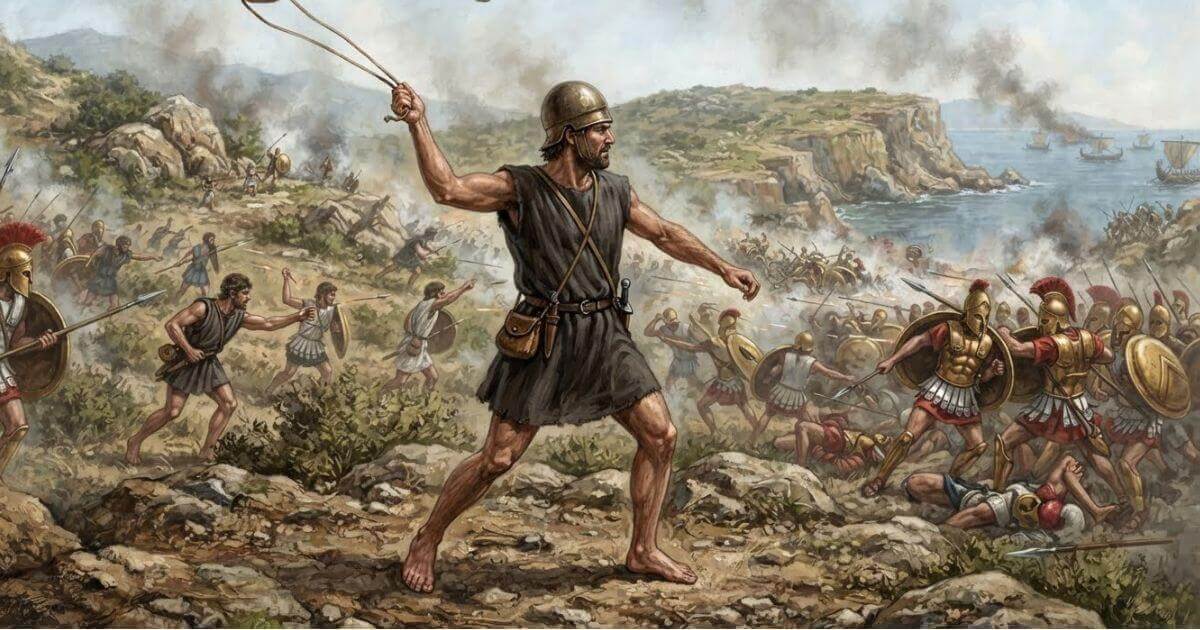
An isolated enemy detachment was taken by surprise, after which the Acarnanians subjected it to a barrage of projectiles, preventing its men from moving safely even within their own camp.
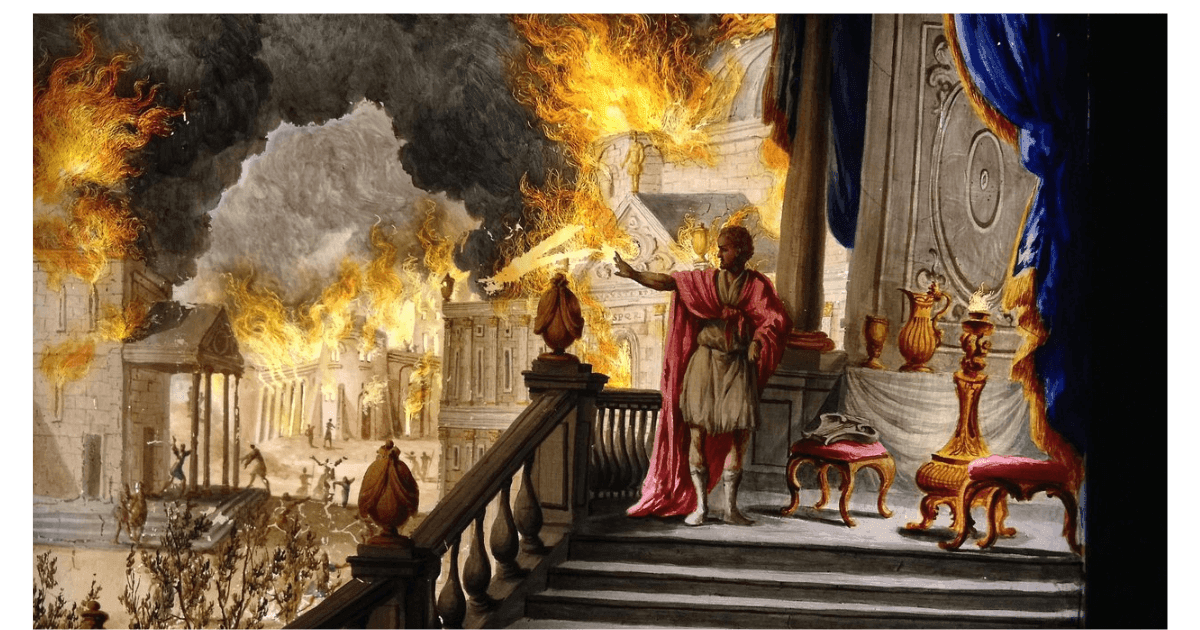
According to Tacitus, the Great Fire of Rome spread rapidly through the city’s densely built streets. It was brought under control on the sixth day

The Hittite charioteers then turned north to crush Ramesses and the men of the Amun division in their camp. This moment was the most critical of the battle..

“..After much fighting, losing tens of thousands of his soldiers there, Brennus himself was struck three times.

They not only exacted tribute from all the peoples, but also raided and plundered whatever those peoples possessed

Plutarch avoids theatrical detail precisely to expose the brutality beneath the façade of hospitality.

Each year the Ephors declared war on the helots so that they could kill them without fear.

By the 5th century BC, however, the unofficial circulation of foreign precious-metal coinage had penetrated Spartan society, especially through the perioikoi and Spartans serving outside Laconia.

For centuries, critics have questioned the accuracy of his accounts, particularly when they involve distant cultures, strange customs, or unusual engineering feats.

Athenian military power rested predominantly on its naval supremacy, yet this strength also proved to be a limitation.
An isolated enemy detachment was taken by surprise, after which the Acarnanians subjected it to a barrage of projectiles, preventing its men from moving safely even within their own camp.
According to Tacitus, the Great Fire of Rome spread rapidly through the city’s densely built streets. It was brought under control on the sixth day
The Hittite charioteers then turned north to crush Ramesses and the men of the Amun division in their camp. This moment was the most critical of the battle..
“..After much fighting, losing tens of thousands of his soldiers there, Brennus himself was struck three times.
They not only exacted tribute from all the peoples, but also raided and plundered whatever those peoples possessed
Plutarch avoids theatrical detail precisely to expose the brutality beneath the façade of hospitality.
Each year the Ephors declared war on the helots so that they could kill them without fear.
By the 5th century BC, however, the unofficial circulation of foreign precious-metal coinage had penetrated Spartan society, especially through the perioikoi and Spartans serving outside Laconia.
For centuries, critics have questioned the accuracy of his accounts, particularly when they involve distant cultures, strange customs, or unusual engineering feats.
Athenian military power rested predominantly on its naval supremacy, yet this strength also proved to be a limitation.