A Glimpse into the Past

A Glimpse into the Past

The long struggle of Britain for power in the Indian subcontinent

Cover image: Lord Clive meeting with Mir Jafar after the Battle of Plassey, National Portrait Gallery.

Text by Manolis Chatzimanolis.

The British expansion into India was not merely a military conquest but a multifaceted, gradual phenomenon that unfolded over nearly two centuries. This expansion was characterized by economic, political, and military strategies that evolved over time, leading to the establishment of British supremacy in the subcontinent. It commenced as a commercial venture through the British East India Company and ultimately resulted in the direct political and military rule of the British Crown. Throughout this period, Britain engaged in conflicts with Indian rulers, European colonial powers, and later, the Indian nationalist movement, which played a pivotal role in the country’s independence in 1947.

The origins of British involvement in India trace back to 1600 when Queen Elizabeth I granted a royal charter to the British East India Company (EIC), permitting it to engage in trade in the region. Initially, British activities were confined to commerce, as the Company negotiated with the Mughal emperor and various local dynasties to establish trading posts. The Indian subcontinent was already a hub of international trade, with the Dutch and Portuguese having established a strong presence, followed by the arrival of the French. However, the British distinguished themselves through a calculated approach that extended beyond trade. They systematically amassed military strength and intervened in the internal power struggles among Indian states, gradually transforming from mere traders into political and military stakeholders.

The Mughal emperor Shah Alam hands over the treaty of Allahabad to Robert Clive which transferred tax collecting rights in Bengal Subah to the East India Company, August 1765, circa 1818. Source

A turning point came in 1757 with the Battle of Plassey, which drastically altered the power dynamics in India. Robert Clive, commanding the British forces, orchestrated the defeat of the Nawab of Bengal, Siraj-ud-Daulah, through a combination of military superiority and diplomatic maneuvering, including alliances with discontented Indian elites. This victory did not immediately bring India under the control of the British Crown but marked the beginning of the East India Company’s de facto rule over Bengal, India’s wealthiest province. The immense revenue generated from Bengal’s economy fueled further British expansion and consolidation across the subcontinent.

The competition between Britain and France for dominance in India continued into the 1760s, particularly during the Seven Years’ War, which had global ramifications. British victories in the Carnatic region and the decisive Battle of Wandiwash in 1760 effectively ended French aspirations in India. With the French no longer posing a significant challenge, the British East India Company pursued unchecked territorial expansion, leveraging both military engagements and strategic alliances with local rulers to extend its control.

The Last Effort and Fall of Tippoo Sultan, by Henry Singleton (1766–1839), oil in canvas. Source: Web Gallery of Art.

The late 18th and early 19th centuries witnessed a series of conflicts between the British and various Indian powers. The Anglo-Mysore Wars resulted in the annexation of Mysore after four protracted and violent encounters. The British also waged extensive campaigns against the Maratha Empire, culminating in its defeat in 1818. Similarly, the Anglo-Sikh Wars (1845–1849) led to the British subjugation of the Punjab region. Each of these military campaigns demonstrated the systematic dismantling of indigenous polities and the expansion of British authority over vast territories.

Despite the growing British dominion, their rule faced a critical challenge in 1857 with the Great Sepoy Rebellion. This uprising, triggered by deep-seated grievances among Indian soldiers (sepoys) in the British army, rapidly escalated into a widespread revolt against colonial rule. While the initial cause was rooted in military and religious concerns, the rebellion soon attracted support from deposed rulers, peasants, and intellectuals who resented British economic exploitation and administrative policies. The British response was characterized by brutal repression, leading to the eventual suppression of the revolt. However, the uprising exposed the inefficacy of governance through the East India Company, prompting the British government to assume direct control over India in 1858.

With the dissolution of the British East India Company, India was formally integrated into the British Empire, and Queen Victoria was proclaimed Empress of India in 1876. This marked the beginning of the British Raj, a period of direct imperial administration. The British undertook significant infrastructural projects, constructing extensive railway networks, telegraph systems, and institutions of higher education. While these developments were often cited as contributions to modernization, they were primarily designed to serve British economic and strategic interests rather than to benefit the Indian population equitably. Colonial governance remained authoritarian, with minimal regard for indigenous political aspirations.

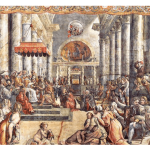
Victoria Proclaimed Empress Of India
Proclaiming Queen Victoria The Empress of India at the Delhi Durbar with the Viceroy, Lord Lytton, Robert Bulwer-Lytton, 1st Earl of Lytton, in attendance on 1st January 1877.

By the late 19th century, Indian nationalism had begun to take shape, with growing demands for political representation and self-rule. The formation of the Indian National Congress in 1885 marked the institutionalization of nationalist aspirations, which initially sought reform within the framework of British rule. However, as discontent with colonial policies intensified, particularly following economic hardships and oppressive legislation, the nationalist movement gained momentum. The early 20th century witnessed the rise of leaders such as Mahatma Gandhi, whose philosophy of nonviolent resistance became the cornerstone of the struggle for independence.

The demand for self-governance reached its peak in the 1940s, particularly after World War II, when Britain’s economic and political position was severely weakened. The mounting pressure from Indian nationalists, combined with international developments, compelled the British government to relinquish control. In 1947, India attained independence, marking the end of nearly two centuries of British rule.

The legacy of British colonialism remains deeply embedded in modern India. English continues to function as a prominent administrative and educational language, while the extensive railway network stands as a testament to colonial infrastructural projects. However, the historical evaluation of British rule varies significantly: for Britain, India was often regarded as the “Jewel in the Crown” of the empire; for Indians, it represented an era of economic exploitation, political subjugation, and prolonged resistance against foreign dominance.
The long struggle of Britain for power in the Indian subcontinent

Elementor post content

Cover image: Lord Clive meeting with Mir Jafar after the Battle of Plassey, National Portrait Gallery.

Text by Manolis Chatzimanolis.

The British expansion into India was not merely a military conquest but a multifaceted, gradual phenomenon that unfolded over nearly two centuries. This expansion was characterized by economic, political, and military strategies that evolved over time, leading to the establishment of British supremacy in the subcontinent. It commenced as a commercial venture through the British East India Company and ultimately resulted in the direct political and military rule of the British Crown. Throughout this period, Britain engaged in conflicts with Indian rulers, European colonial powers, and later, the Indian nationalist movement, which played a pivotal role in the country’s independence in 1947.

The origins of British involvement in India trace back to 1600 when Queen Elizabeth I granted a royal charter to the British East India Company (EIC), permitting it to engage in trade in the region. Initially, British activities were confined to commerce, as the Company negotiated with the Mughal emperor and various local dynasties to establish trading posts. The Indian subcontinent was already a hub of international trade, with the Dutch and Portuguese having established a strong presence, followed by the arrival of the French. However, the British distinguished themselves through a calculated approach that extended beyond trade. They systematically amassed military strength and intervened in the internal power struggles among Indian states, gradually transforming from mere traders into political and military stakeholders.

The Mughal emperor Shah Alam hands over the treaty of Allahabad to Robert Clive which transferred tax collecting rights in Bengal Subah to the East India Company, August 1765, circa 1818. Source

A turning point came in 1757 with the Battle of Plassey, which drastically altered the power dynamics in India. Robert Clive, commanding the British forces, orchestrated the defeat of the Nawab of Bengal, Siraj-ud-Daulah, through a combination of military superiority and diplomatic maneuvering, including alliances with discontented Indian elites. This victory did not immediately bring India under the control of the British Crown but marked the beginning of the East India Company’s de facto rule over Bengal, India’s wealthiest province. The immense revenue generated from Bengal’s economy fueled further British expansion and consolidation across the subcontinent.

The competition between Britain and France for dominance in India continued into the 1760s, particularly during the Seven Years’ War, which had global ramifications. British victories in the Carnatic region and the decisive Battle of Wandiwash in 1760 effectively ended French aspirations in India. With the French no longer posing a significant challenge, the British East India Company pursued unchecked territorial expansion, leveraging both military engagements and strategic alliances with local rulers to extend its control.

The Last Effort and Fall of Tippoo Sultan, by Henry Singleton (1766–1839), oil in canvas. Source: Web Gallery of Art.

The late 18th and early 19th centuries witnessed a series of conflicts between the British and various Indian powers. The Anglo-Mysore Wars resulted in the annexation of Mysore after four protracted and violent encounters. The British also waged extensive campaigns against the Maratha Empire, culminating in its defeat in 1818. Similarly, the Anglo-Sikh Wars (1845–1849) led to the British subjugation of the Punjab region. Each of these military campaigns demonstrated the systematic dismantling of indigenous polities and the expansion of British authority over vast territories.

Despite the growing British dominion, their rule faced a critical challenge in 1857 with the Great Sepoy Rebellion. This uprising, triggered by deep-seated grievances among Indian soldiers (sepoys) in the British army, rapidly escalated into a widespread revolt against colonial rule. While the initial cause was rooted in military and religious concerns, the rebellion soon attracted support from deposed rulers, peasants, and intellectuals who resented British economic exploitation and administrative policies. The British response was characterized by brutal repression, leading to the eventual suppression of the revolt. However, the uprising exposed the inefficacy of governance through the East India Company, prompting the British government to assume direct control over India in 1858.

With the dissolution of the British East India Company, India was formally integrated into the British Empire, and Queen Victoria was proclaimed Empress of India in 1876. This marked the beginning of the British Raj, a period of direct imperial administration. The British undertook significant infrastructural projects, constructing extensive railway networks, telegraph systems, and institutions of higher education. While these developments were often cited as contributions to modernization, they were primarily designed to serve British economic and strategic interests rather than to benefit the Indian population equitably. Colonial governance remained authoritarian, with minimal regard for indigenous political aspirations.

Victoria Proclaimed Empress Of India
Proclaiming Queen Victoria The Empress of India at the Delhi Durbar with the Viceroy, Lord Lytton, Robert Bulwer-Lytton, 1st Earl of Lytton, in attendance on 1st January 1877.

By the late 19th century, Indian nationalism had begun to take shape, with growing demands for political representation and self-rule. The formation of the Indian National Congress in 1885 marked the institutionalization of nationalist aspirations, which initially sought reform within the framework of British rule. However, as discontent with colonial policies intensified, particularly following economic hardships and oppressive legislation, the nationalist movement gained momentum. The early 20th century witnessed the rise of leaders such as Mahatma Gandhi, whose philosophy of nonviolent resistance became the cornerstone of the struggle for independence.

The demand for self-governance reached its peak in the 1940s, particularly after World War II, when Britain’s economic and political position was severely weakened. The mounting pressure from Indian nationalists, combined with international developments, compelled the British government to relinquish control. In 1947, India attained independence, marking the end of nearly two centuries of British rule.

The legacy of British colonialism remains deeply embedded in modern India. English continues to function as a prominent administrative and educational language, while the extensive railway network stands as a testament to colonial infrastructural projects. However, the historical evaluation of British rule varies significantly: for Britain, India was often regarded as the “Jewel in the Crown” of the empire; for Indians, it represented an era of economic exploitation, political subjugation, and prolonged resistance against foreign dominance.